Selected Projects
A few things I've helped build. Each one started with a question: what happens when you give people permission to create together?
Miami Hack Week
Backed by Founders Fund, Softbank, Ramp, Atomic, and Craft Ventures
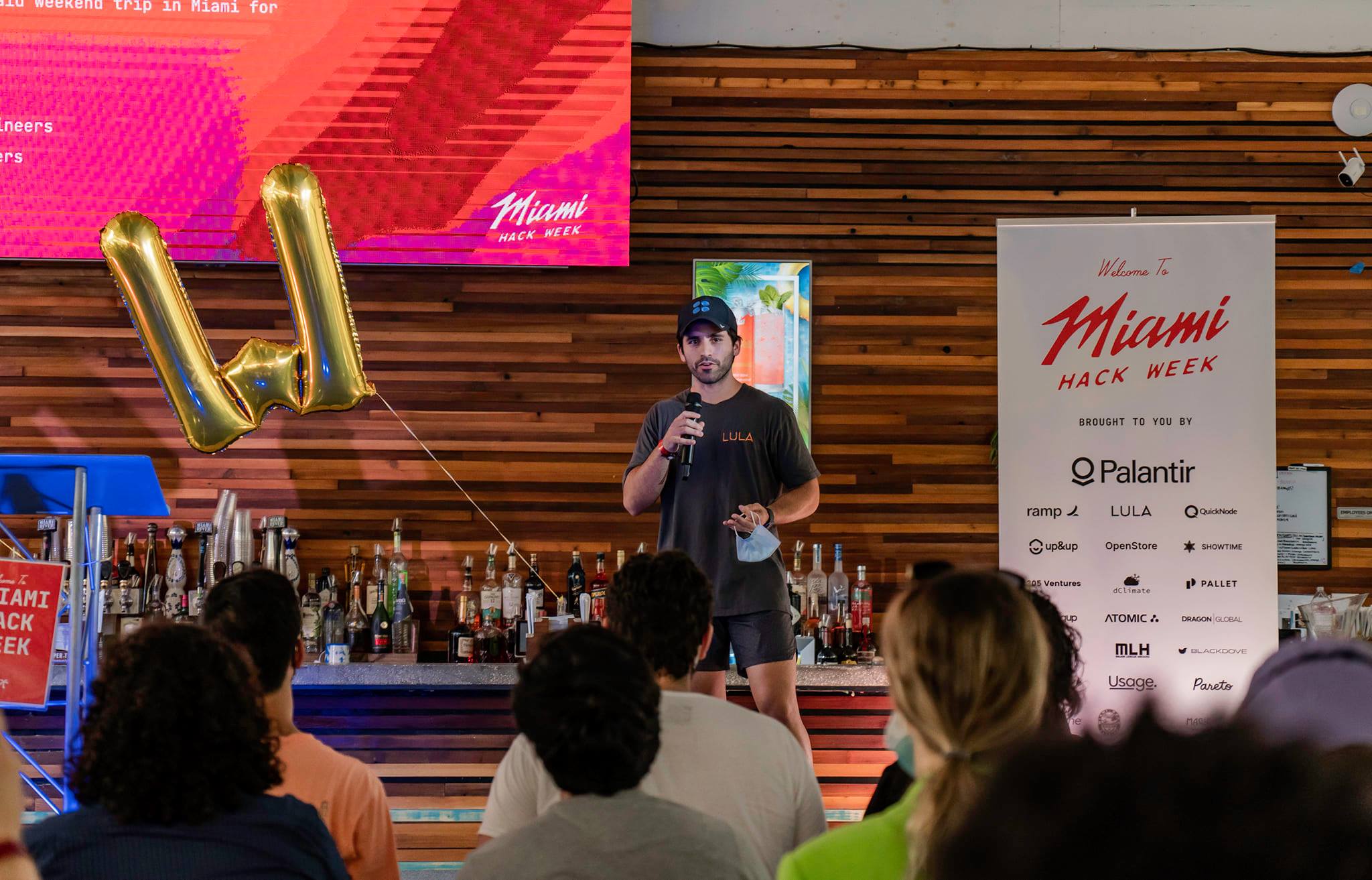
In 2021, Miami was having a moment. Tech founders were moving south, crypto was booming, and the mayor was tweeting “How can I help?” But something was missing: a place for builders to actually build together.
Miami Hack Week started as an experiment: what if instead of one centralized hackathon, we created a federated network of hacker houses across the city? Fifteen houses, each with its own theme and community, all building simultaneously for a week.
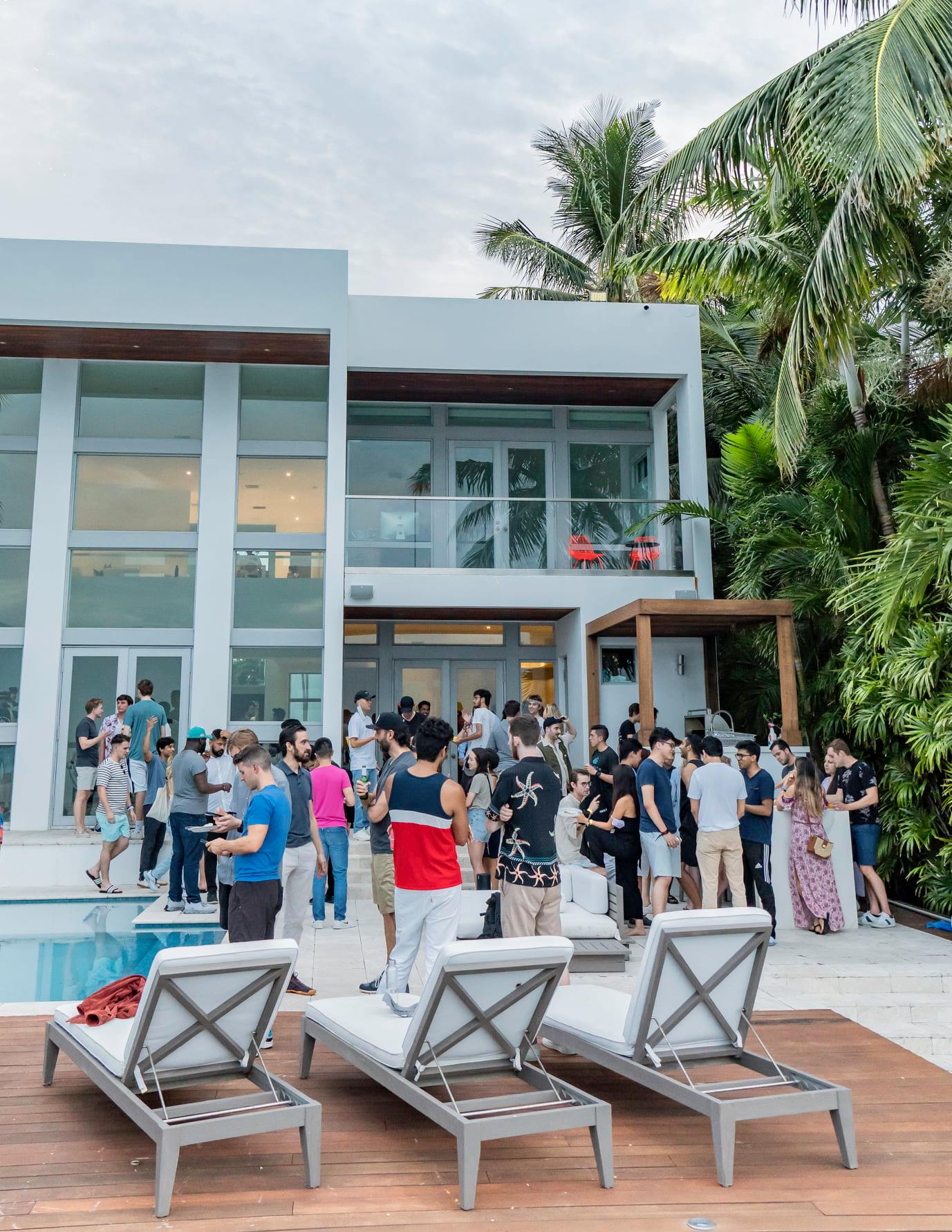
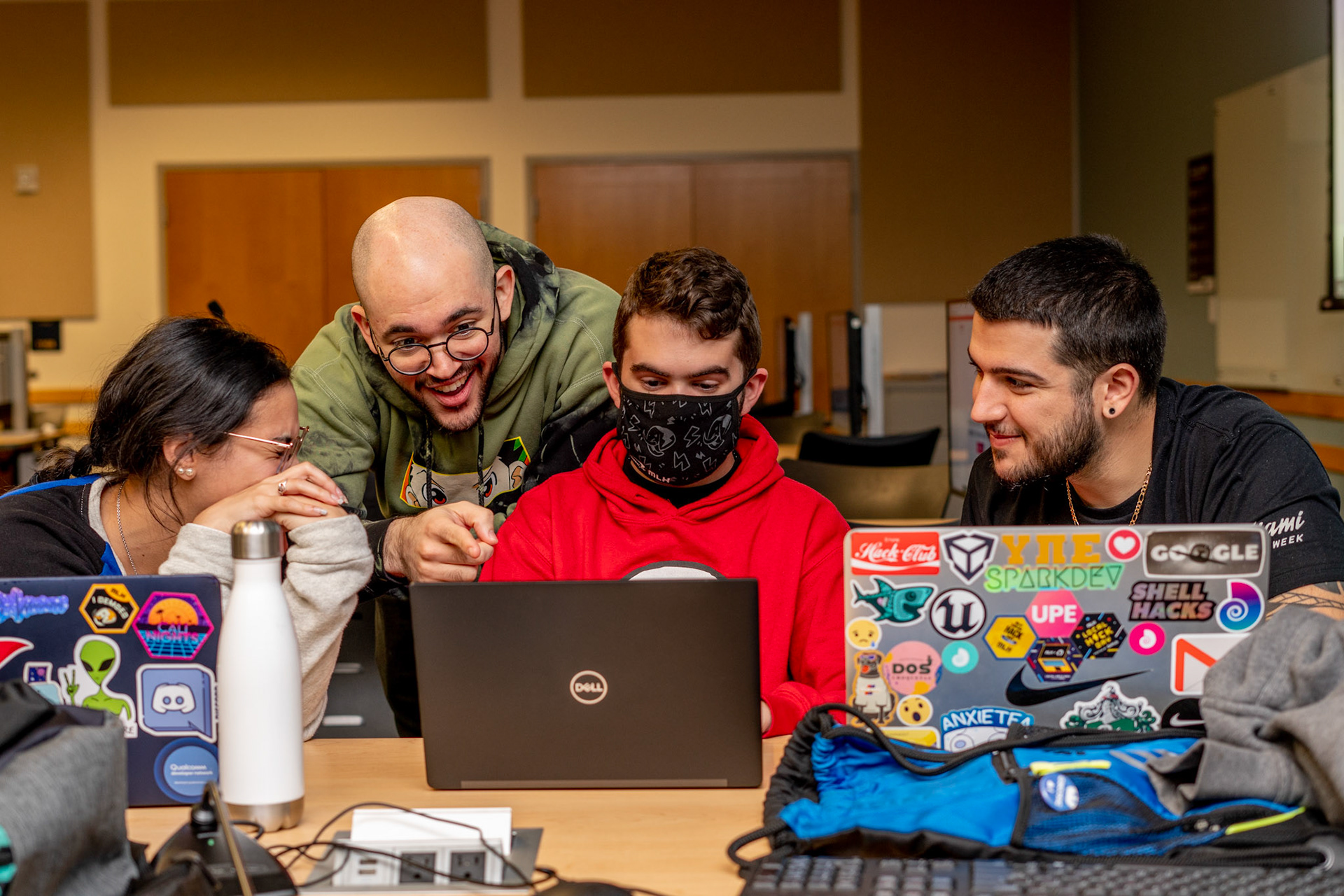
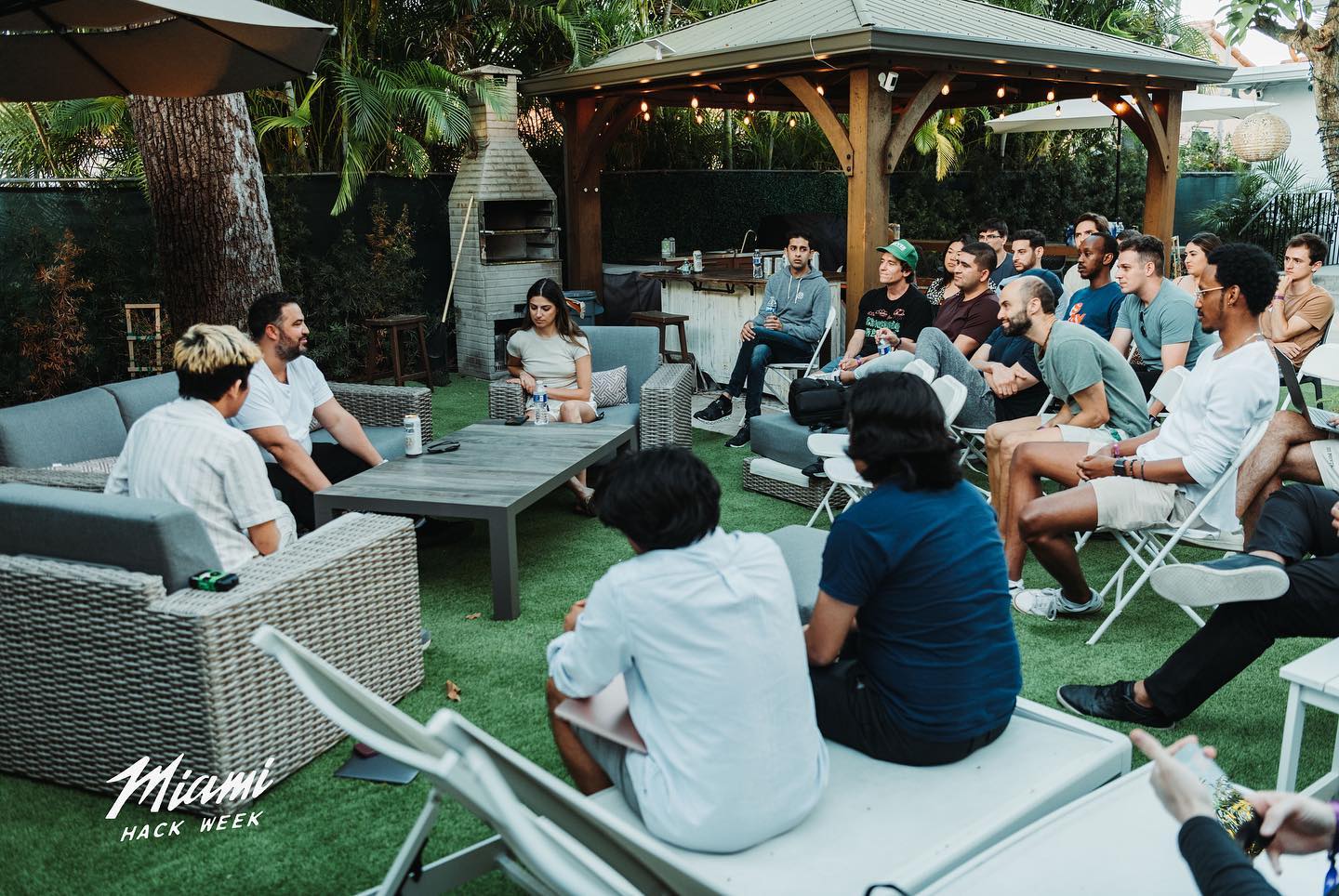
The model worked. Thousands of engineers showed up. Projects got built. Companies got started. More importantly, something shifted in the city's culture—Miami started to feel like a place where you could build things, not just talk about building things.
I learned something that year about the difference between organizing an event and creating a movement. The former is logistics. The latter is permission.
Open Source Medical Supplies
$1M raised, backed by Schmidt Foundation
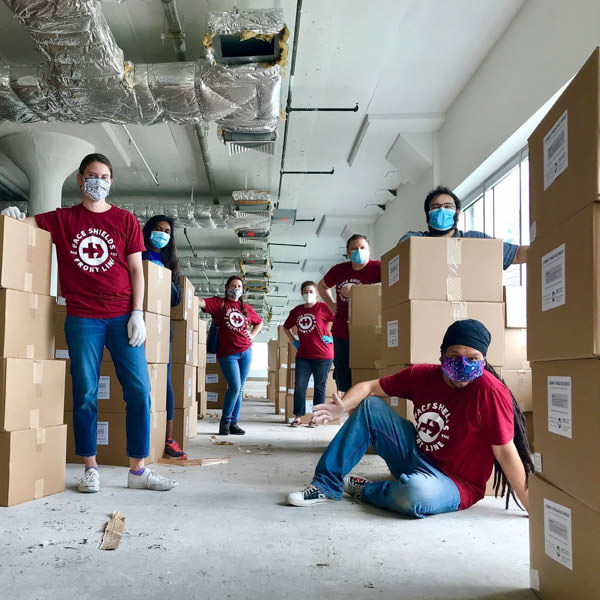
In March 2020, we started a Facebook group for makers who wanted to help with the PPE shortage. I joined because I knew how to organize people online.
Within a week, there were thousands of us. Within a month, we were nearly 70,000 members. We figured out how to vet designs, coordinate manufacturing, and ship supplies to hospitals. We were in basements and garages and makerspaces around the world, running 3D printers and sewing machines.
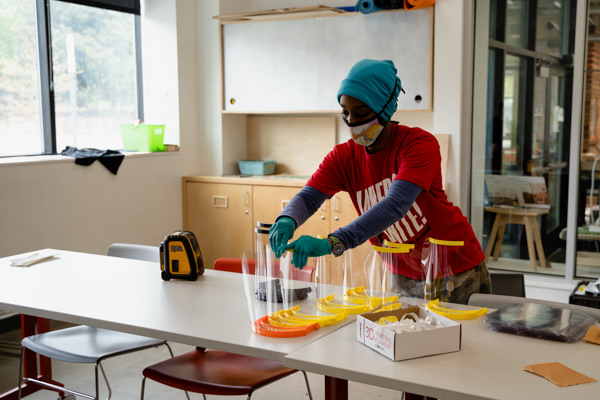
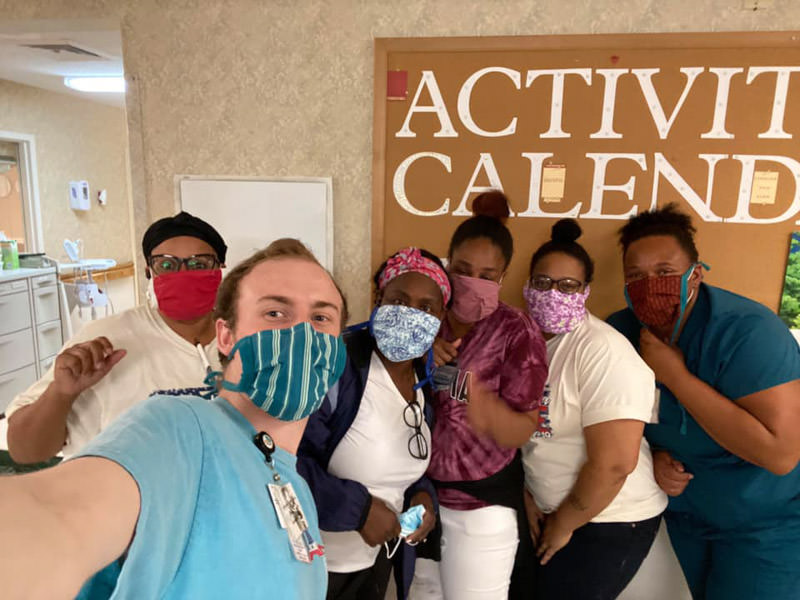
The scale was staggering—tens of millions of supplies shipped to healthcare workers who needed them. But the interesting part wasn't the numbers. It was watching a distributed network of strangers figure out how to trust each other, make decisions together, and move faster than institutions that had been doing this for decades.
I learned something that year about what happens when you remove the barriers between people who want to help and the help that's needed. The coordination problem is solvable. The trust problem is harder. But when you get both right, ordinary people can do extraordinary things.
Devpost
The largest hackathon platform in the world
I led developer marketing, storytelling, and community at Devpost—the largest hackathon platform in the world, where we ran AI hackathons for some of the biggest technology companies on the planet and activated hundreds of thousands of builders.
My work spanned the full arc of how developers discover, engage with, and build on new technologies: from the stories we told about what's possible, to the communities we cultivated, to the hackathons that turned curiosity into creation.
What I've learned from watching thousands of hackathon projects: the best ideas often come from people who don't know what's supposed to be impossible. The job is to create the conditions where those people can find each other and start building.
Kingston, 2015
Jamaica's first hackathon
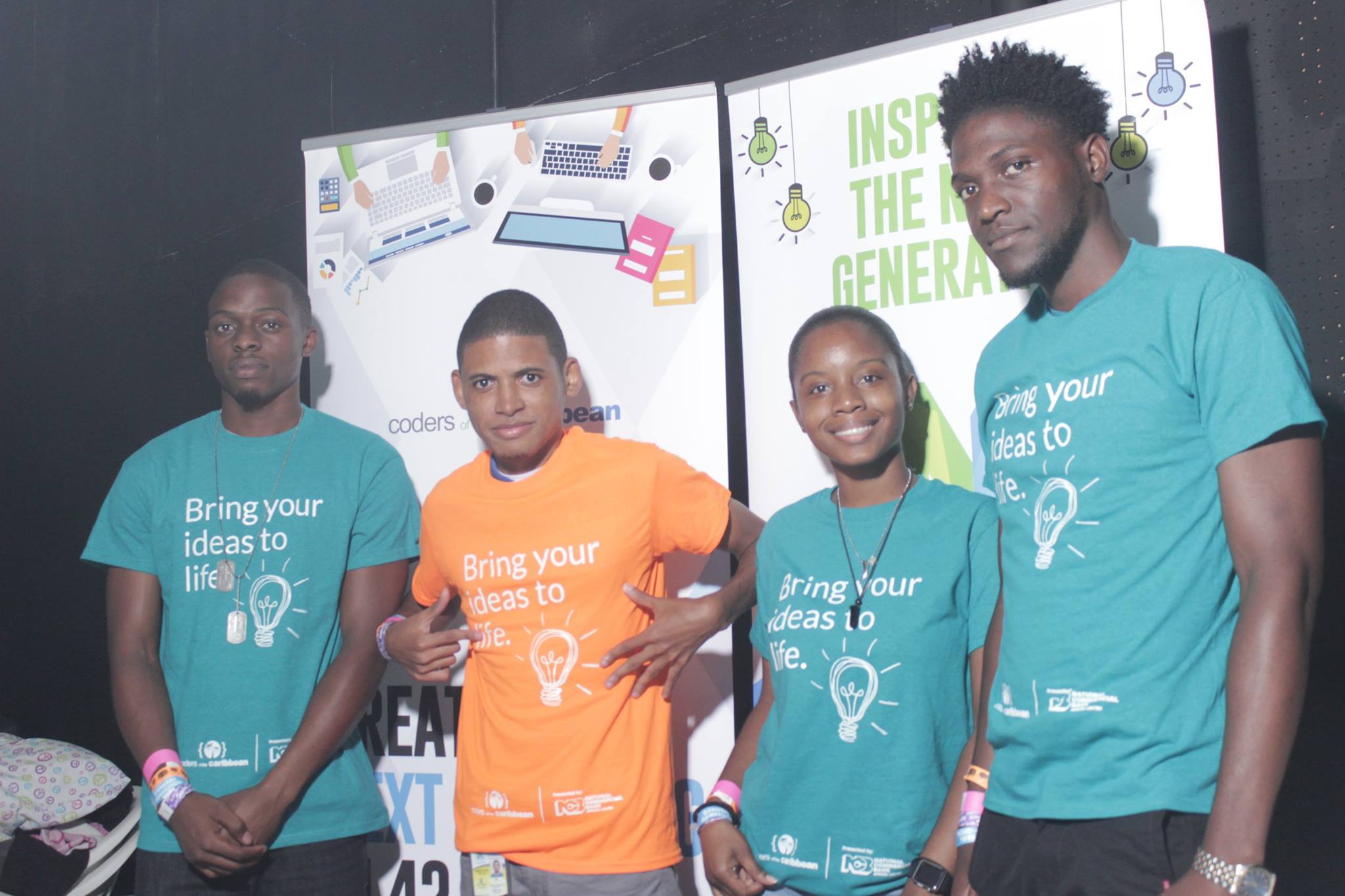
I was sixteen and I had an idea: what if we did a hackathon in Jamaica?
There wasn't really a tech scene. There wasn't a playbook. There was just this sense that something was possible if we could get people in a room together.
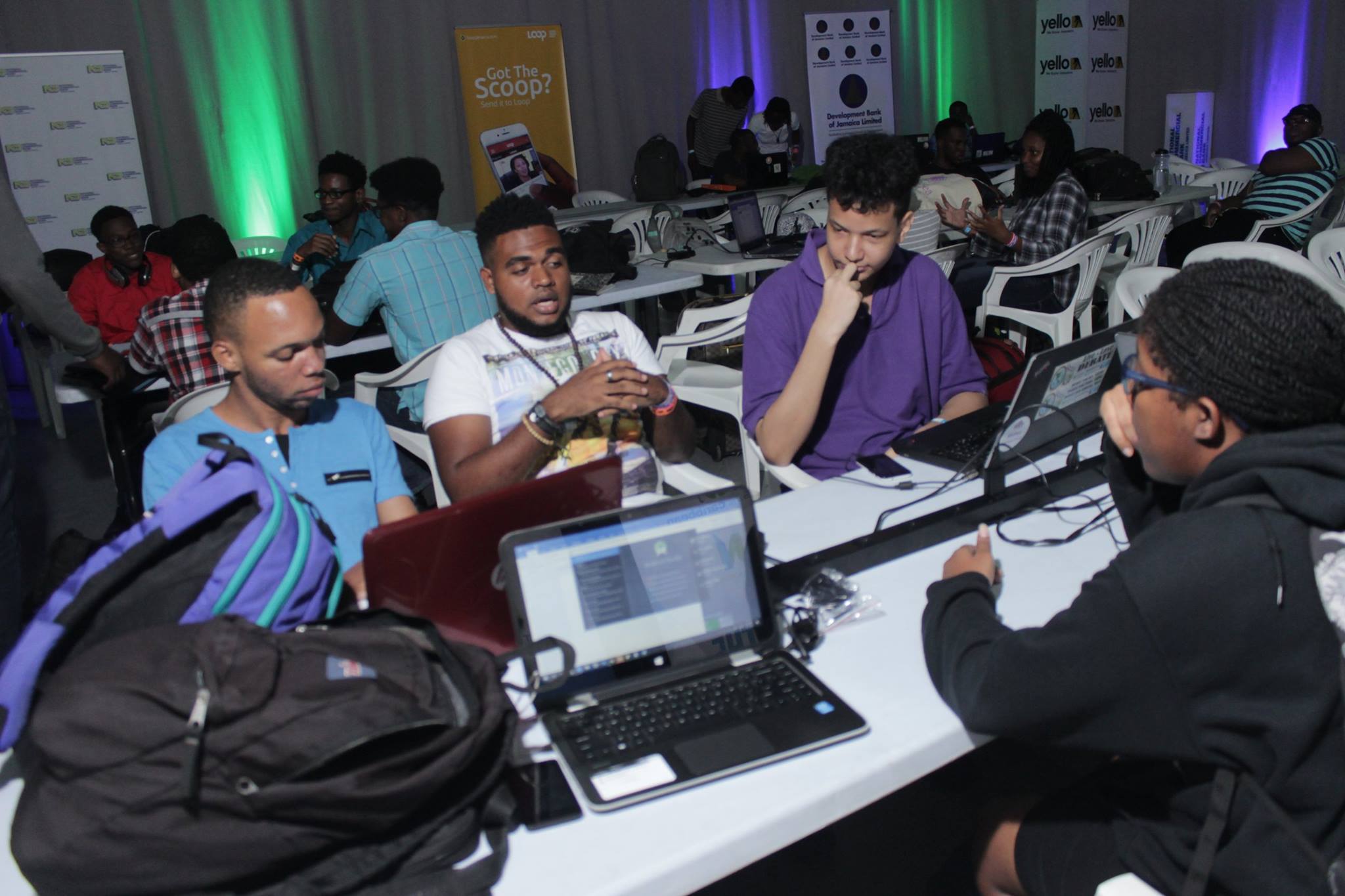
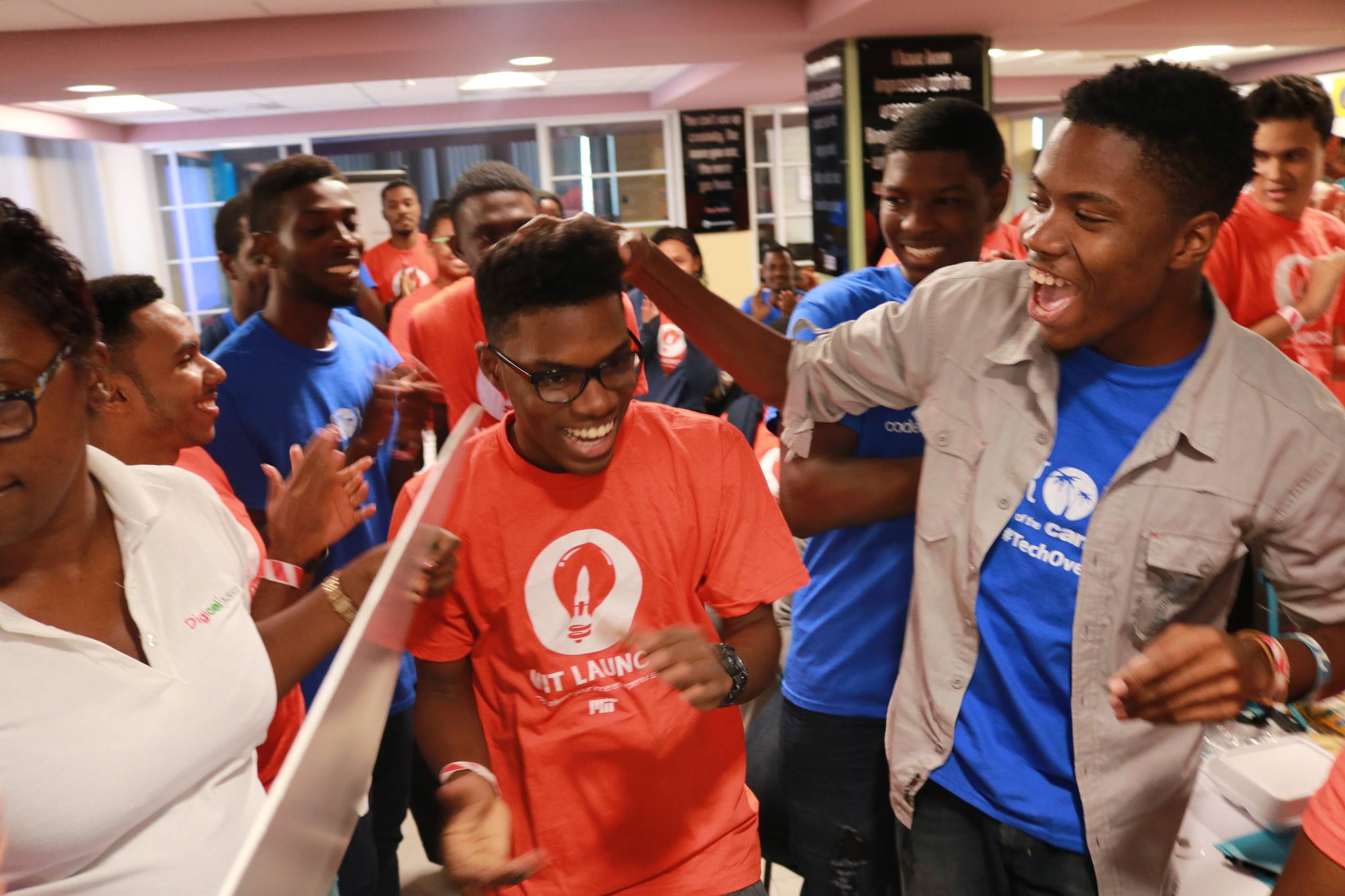
We called it “Hacking Generation Y.” Fifty-two people showed up. We built things for thirty hours straight. Some of the projects were good. Most of them weren't. That wasn't the point.
The point was that we proved it could happen. That Jamaica could be a place where people build things together. That you don't need permission from Silicon Valley to start something. Sometimes you just need a room, a deadline, and people who are curious enough to show up.
A few other things I've been part of:
Venture
Working with early-stage companies and founders building at the edges
Next Gen Creators
Educational nonprofit
Vybz Media
Founded at 10, grew to 7 employees by 16. Jamaica.
Want to build something together?
I'm always interested in conversations with people who are building interesting things.
Get in Touch